About 100 Head of Wagyu Processed Every Week
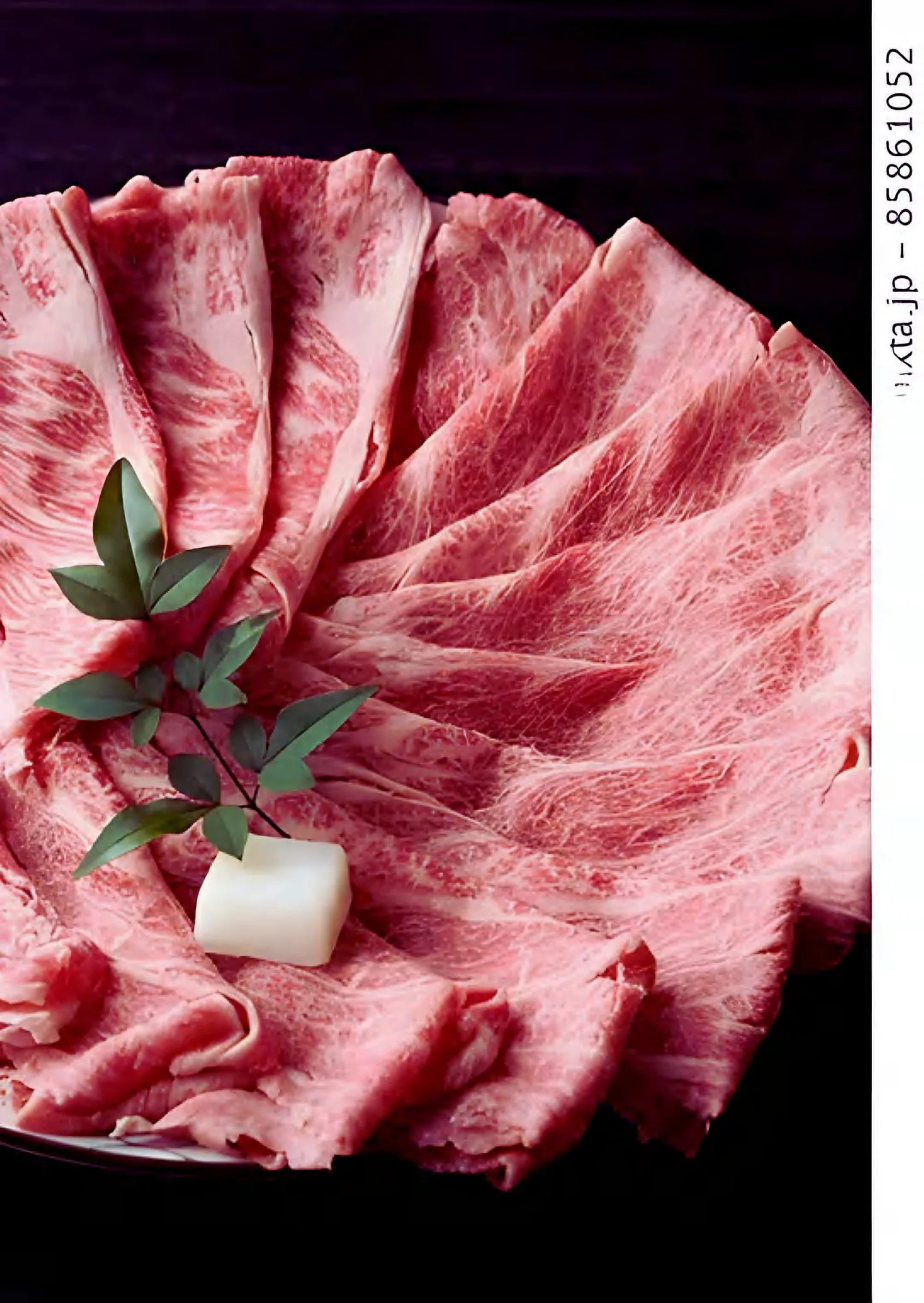
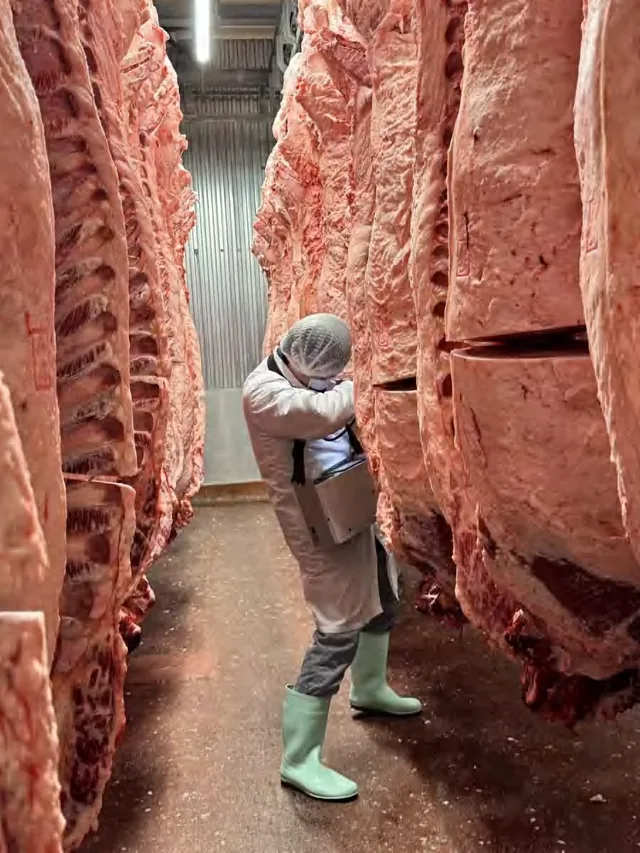
We process Wagyu once a week, about 100 head at a time, cutting precisely to Japanese beef fabrication standards. Kept chilled at 0–4℃ throughout and never frozen, it supplies Japanese, Western and Chinese restaurants.
- Certified abattoir with sanitation and quarantine inspection; antibiotic-free certification provided
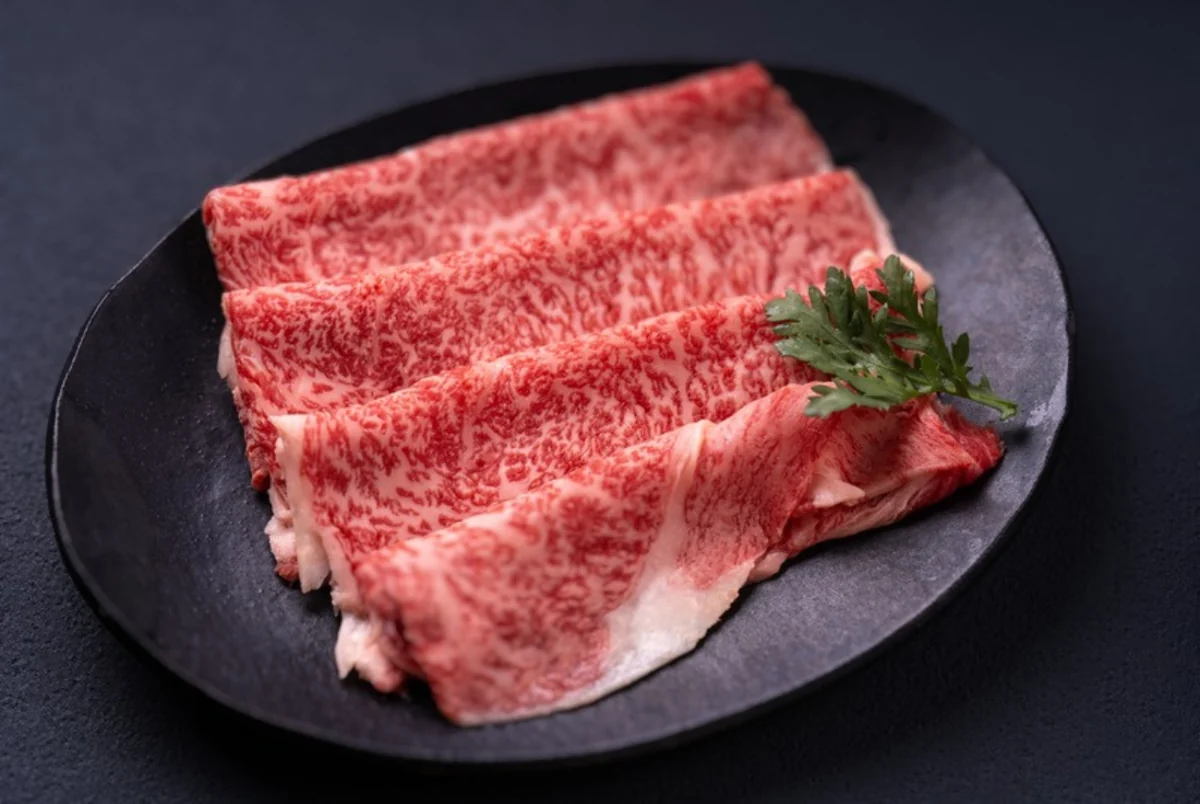
- Cut by restaurant application — shabu-shabu · yakiniku · teppanyaki · steak · sashimi, each to its need
- SF Express cold chain delivery end to end since 2021, direct to the customer
- Small minimum orders, with support for monthly planned ordering and urgent requests
Why We Insist on Chilled
Chilled (0–4℃) is not simply "fresher" — it determines texture, flavor and how the meat can be used. However good the cattle and breeding, the preservation method is what ultimately delivers the result.
No Ice-Crystal Damage
When frozen, water in the muscle forms ice crystals that pierce cell walls; on thawing, large amounts of juice drain away, taking soluble proteins, vitamins, minerals and umami compounds with it. Chilled meat keeps its cells intact and its juices locked inside.
Aging Continues
At 0–4℃, the meat's own proteases keep breaking down proteins into amino acids and peptides — this is wet aging. Tenderness and umami improve over time; freezing brings the process to a halt.
Texture and Color
Chilled meat is soft yet springy with a bright color; after freezing and thawing, the color pales, the texture slackens and the bounce is lost — a difference a chef can spot at a glance.
Vacuum-Chilled Shelf Life
A dry surface film slows moisture loss, and low temperature inhibits bacteria. Vacuum-chilled, the meat can have a shelf life of 30–60 days, letting restaurants stock flexibly without freezing.
Cold chain and shelf life are subject to each product's packaging label and the temperature-control record accompanying the shipment.
Chilled Is the Standard in Japan and Abroad
In Japan, beef is distributed chilled as the norm — carcasses, primal cuts and retail counters, all at 0–4℃. The same applies to imports: sea freight from Australia or the US to Japan takes 2–4 weeks, and vacuum-chilled beef keeps wet aging in transit, arriving at its peak of tenderness and umami. Freezing is not for quality but for shipping convenience; chilled is for quality.
This is why fine dining in Japan, Korea, Europe and the US has long favored chilled: the more discerning the market, the higher the share of chilled.
| Australian Beef Exports | Chilled (t) | Frozen (t) | Chilled Share |
|---|---|---|---|
| Japan | 86,677 | 133,811 | approx. 39% |
| Greater China | 37,729 | 142,512 | approx. 21% |
| South Korea | 29,705 | 144,605 | approx. 17% |
Meat & Livestock Australia (MLA) export statistics for the 12 months to June 2024; shares calculated by volume. Japan has one of the highest chilled shares among major markets.
Shandong Farm
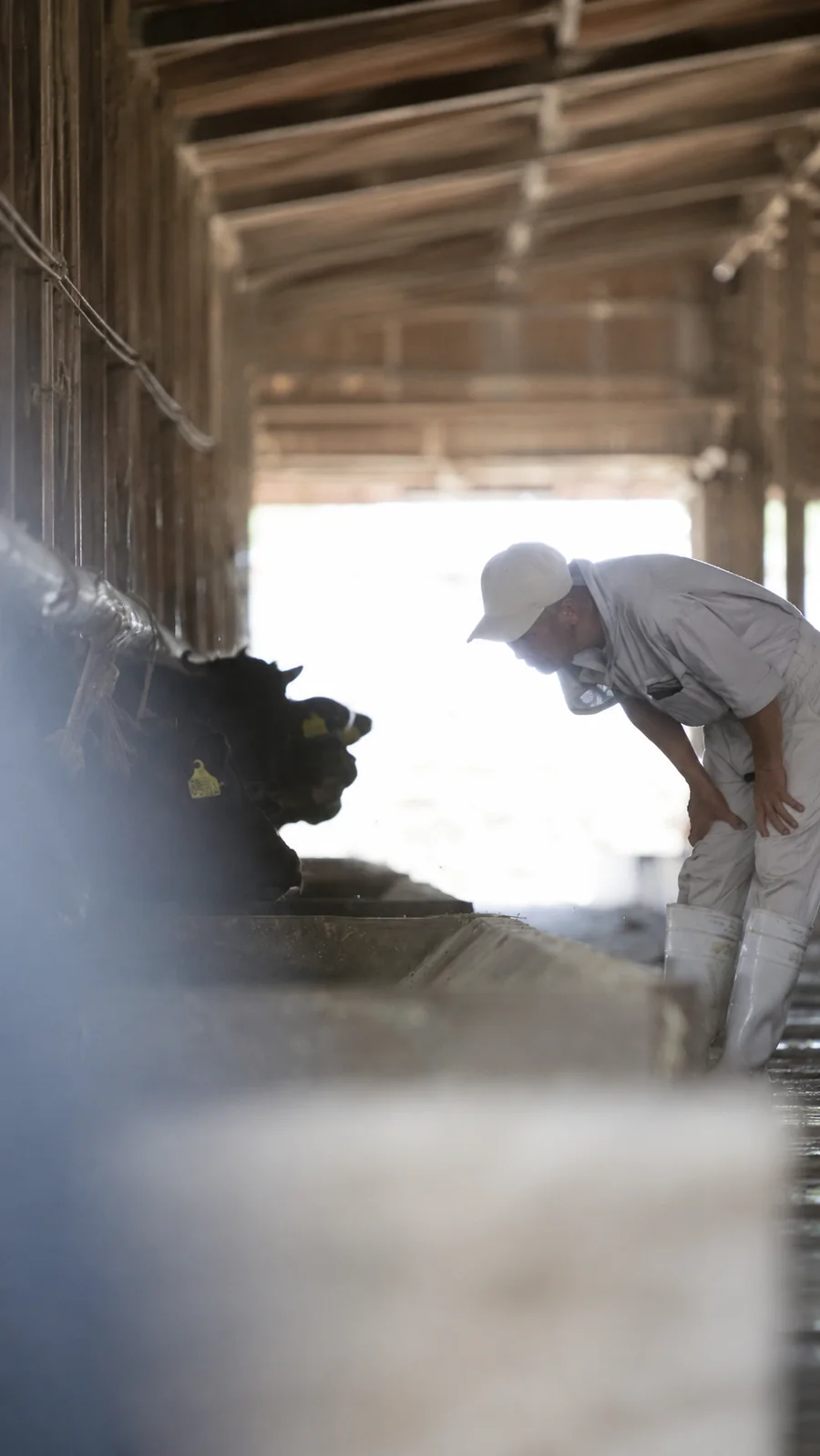
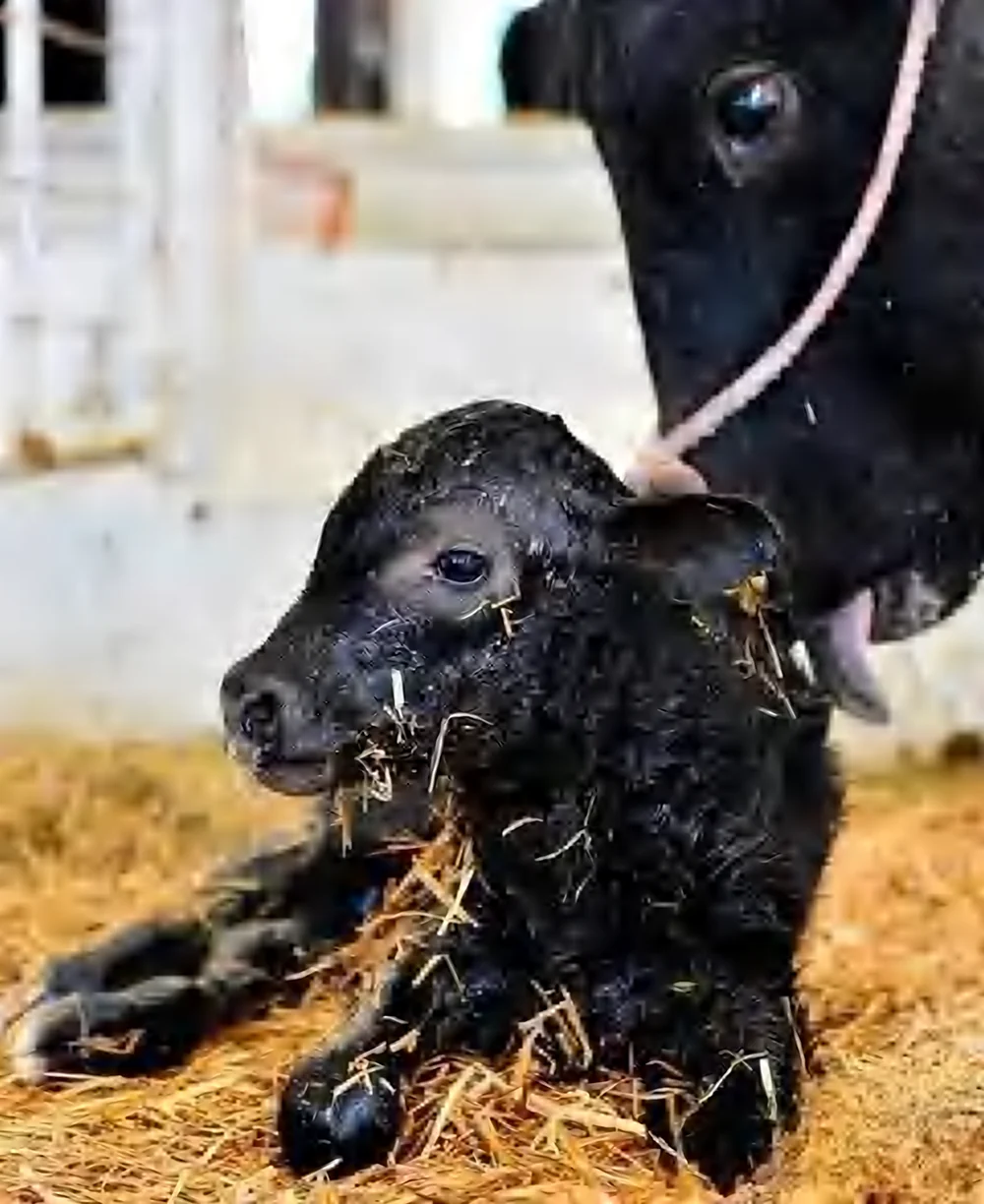
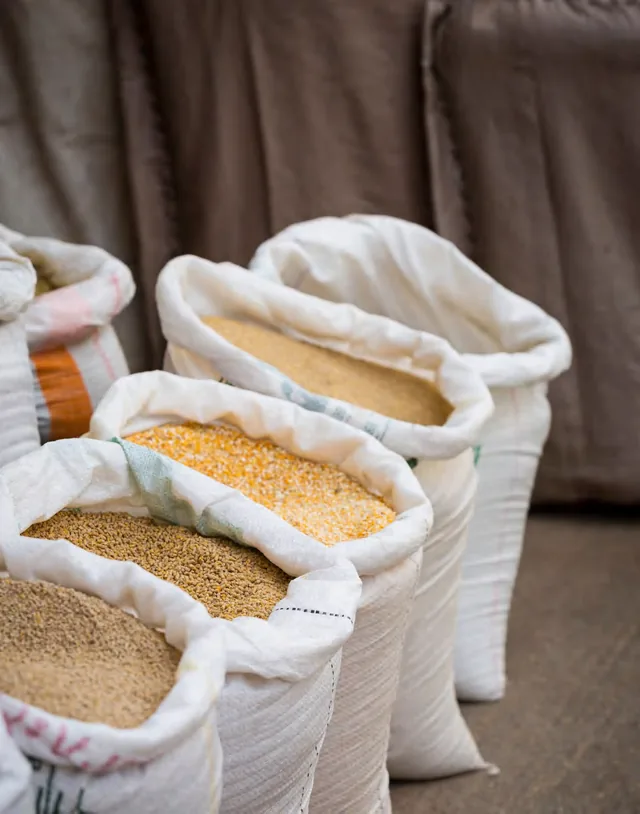
Every head of Wagyu we wholesale comes from Gaoqing County, Zibo, Shandong — a partner demonstration farm in the area known as "China's Black Cattle Town." Located in the Yellow River Delta, the farm has ready local access to feed ingredients such as corn, soybean meal, peanut meal and cottonseed meal. Majime Food has transplanted Japanese breeding philosophy, AI quantitative evaluation and koji mold (Aspergillus oryzae) fermented-feed technology here. With Wagyu × Holstein F1 / F2 as the core bloodline, cattle are raised locally, then cut chilled and supplied directly to restaurant channels.
- Bloodline Wagyu × Holstein F1 / F2 — a balance of price and quality, with a light melt-in-the-mouth quality that is clean and not heavy.
- Feed Koji mold (Aspergillus oryzae) fermented feed + in-house premix, blended locally with Shandong corn · soybean meal · peanut meal.
- Selection Blood sampling at 12 months of age; AI quantitatively evaluates seven carcass quality indicators to identify high-potential animals before fattening.
- Output Chilled at 0–4℃, about 100 head per week, cut for shabu-shabu · yakiniku · teppanyaki · steak · sashimi applications.
Scale and staffing figures reflect the current status of the partner demonstration farm in Gaoqing, Shandong; formal business is subject to the latest verified data. For breeding and feed technology see 01 AI Fattening; for aged cuts see 03 Koji Fermentation & Aging.